10 Examples of Scanning Devices- Barcode, QR code & Drum Scanner
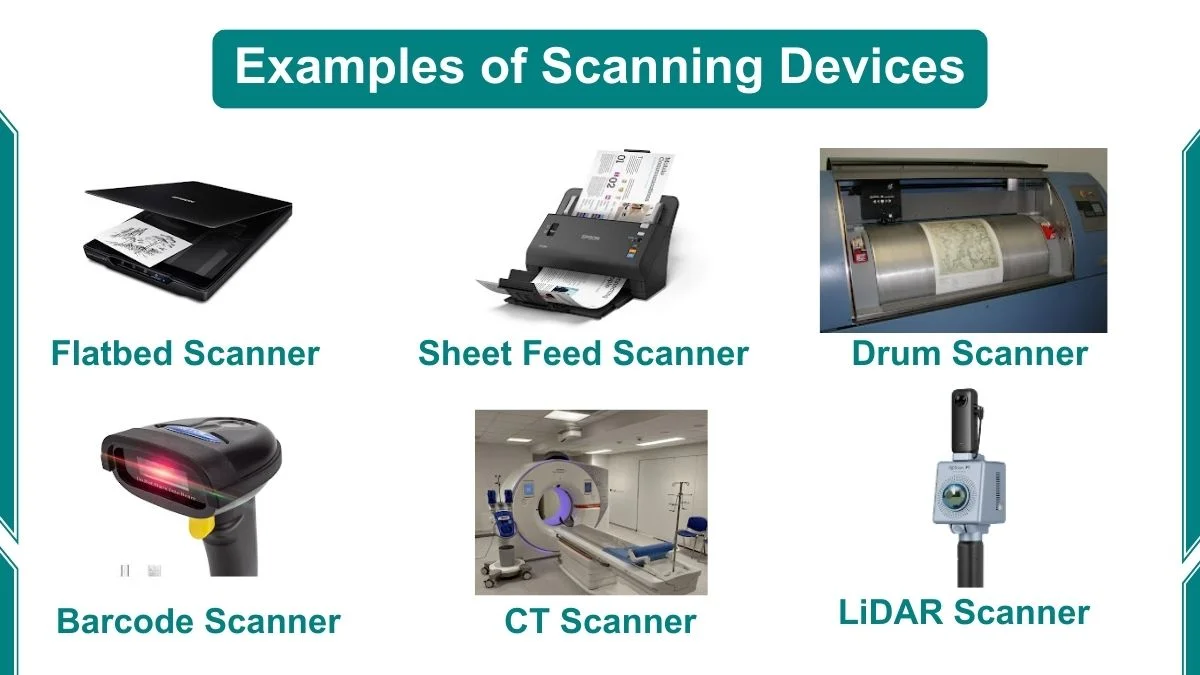
A scanning device is an input device that works like a digital camera. Scanning devices examples include Flatbed scanners, Barcode scanners, QR code scanners, MRI scanners, CT scanners, Sheet Feed scanners, Drum Scanners, and more. Examples of Scanning Devices and their Functions Here are some scanning device examples: 1. Flatbed Scanner A flatbed scanner is … Read more

What is WAN (Wide Area Network) – Advantages and Disadvantages of WAN

WAN stands for a wide area network. This type of network covers a large area and connects computers and other devices in different cities and countries. WAN typically consists of several connected LANs. The computers in a WAN connect through telephone lines, leased lines, or satellites. The transmission rate of a WAN ranges from 56 … Read more

Computer Network-Types and Network Topologies

A computer network consists of two or more connected computers to share information and resources. The resources may include printers, hard disks, etc. The computers in the network are interconnected via communication channels. These channels may be physical cables or wireless connections. Computer networks are commonly used in every field of life. People use computer … Read more

10 Uses of Computer in Education (2026) – With Real Examples

The use of computers in education has completely transformed the traditional classroom into a dynamic digital learning environment. Today, educational technology (EdTech), Artificial Intelligence (AI), and Learning Management Systems (LMS) are reshaping how students learn and teachers instruct. Whether you are looking for the application of computers in education for a school project or wondering … Read more

10 Examples of Digital Computers in Real Life

Examples of digital computers include Smartphones, Digital clocks, ATMs, Calculators, Automobiles, Digital Televisions, and more. Digital computers are programmable electronic devices that manipulate data represented as binary digits (0s and 1s) to perform calculations, analyze information, control processes, and more. Also Read: Examples of Analog Computer Examples of Digital Computers Here are the best real-life … Read more

10 Uses of Computer in Different Fields (Updated 2026)

image showing Uses of Computer in Different Fields

Computers have become an essential part of nearly every aspect of modern life. From hospitals to classrooms, banks to farms, the applications of computers in various fields have transformed how we work, learn, and live. In this comprehensive guide, we explore the 10 uses of computers in different fields with real-world examples, specific tools, and … Read more

Advantages and Disadvantages of Bus Topology

The advantages of bus topology are Simplicity and ease of use, Reduced cable usage, and Less cost. Its disadvantages are security concerns and a Single point of failure. In a previous article, we studied the concept of bus topology, where devices are connected sequentially using a single cable or backbone. This article aims to delve … Read more

Advantages and Disadvantages of Analog Computer

Analog computers were an early type of computer that came before digital computers. Instead of using 0s and 1s like today’s computers, analog computers use physical values like voltage or electrical current to represent and calculate data. In comparison, they may seem outdated now. To understand how these systems are still used in real environments, … Read more

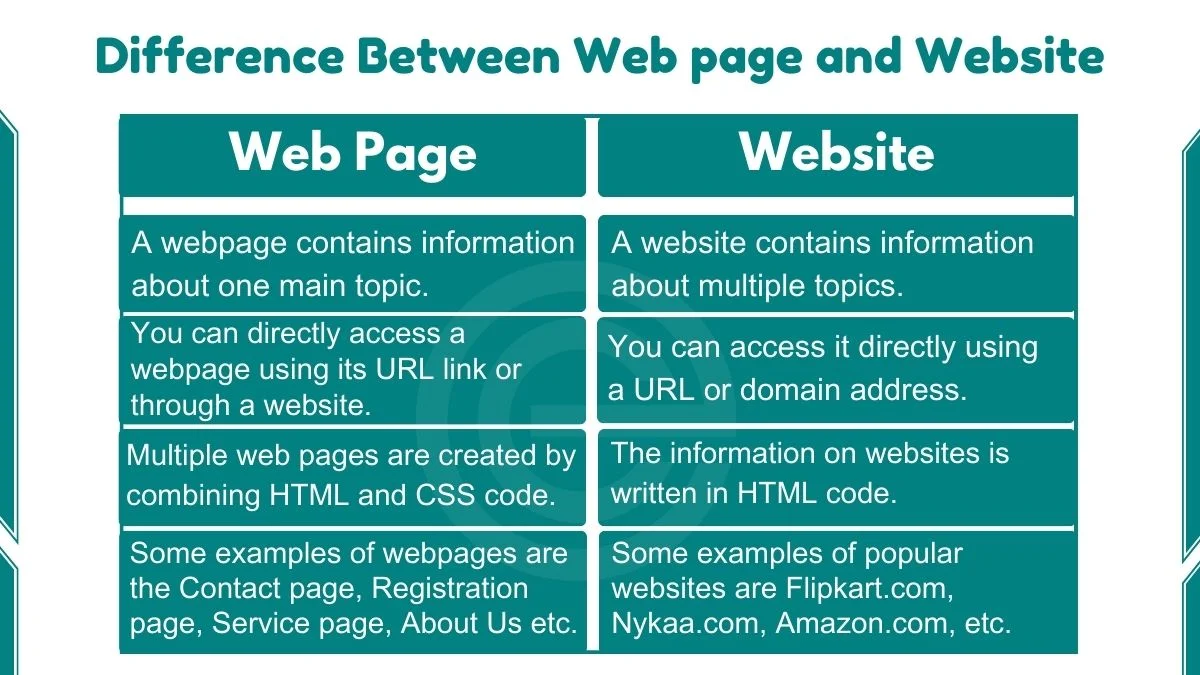
Difference Between Web page and Website

A webpage is a single document accessed by a URL or website link, while a website is the full collection of related web pages under a domain name. Websites contain multiple web pages to present comprehensive information to users. Webpages provide content within documents. Websites organize content across multiple pages. Web page A webpage is … Read more

Difference Between WAN and LAN

LANs prioritize speed and security within confined spaces. This means LANs are designed to connect devices like computers quickly and securely when they are in a small physical area. While WANs focus on connecting geographically spread devices over long distances in cities or countries. WANs use public infrastructure like telephone lines, satellites, and cellular networks to achieve these connections.