Virtual Memory in Operating Systems -Components, Example

image showing Virtual Memory in Operating Systems

Virtual memory is a technique used in computer operating systems (OS). It helps manage memory efficiently. Operating systems use virtual memory to store data temporarily, which may not fit in the primary memory (RAM). Virtual memory ensures programs run smoothly, even with limited RAM. Why is Virtual Memory Needed? Computers have limited RAM. When you … Read more

Distributed Operating System -Types, Features, Advantages

image showing distributed operating system

A distributed operating system (DOS) manages multiple computers as one system. It connects many machines to work together efficiently, improving performance, reliability, and resource sharing. What Is a Distributed Operating System? A distributed operating system seamlessly connects multiple computers. These computers communicate and share resources like memory, storage, and processing power. Users see it as … Read more

History and Goals of Operating Systems (1940s to Nowaday)

image showing Evolution of Operating System

Operating systems (OS) are the backbone of modern computing. Operating systems have evolved in response to the changing needs of technology. Each generation brought new ideas and advancements. Let’s take a look at how operating systems have evolved. History of Operating System The following is the history of operating systems from the 1940s to nowadays: … Read more

What is Application Software -Types, Examples

image showing define of application software with examples

Application software is a computer program that helps users perform specific tasks. It is built to meet users’ needs and assist them in performing work or enjoying entertainment. Think of it as a tool that makes your computer or phone useful for everyday activities such as creating documents, browsing the internet, or playing games. Purpose … Read more

What is Operating System (OS) -Types, Examples

image showing define of operating system

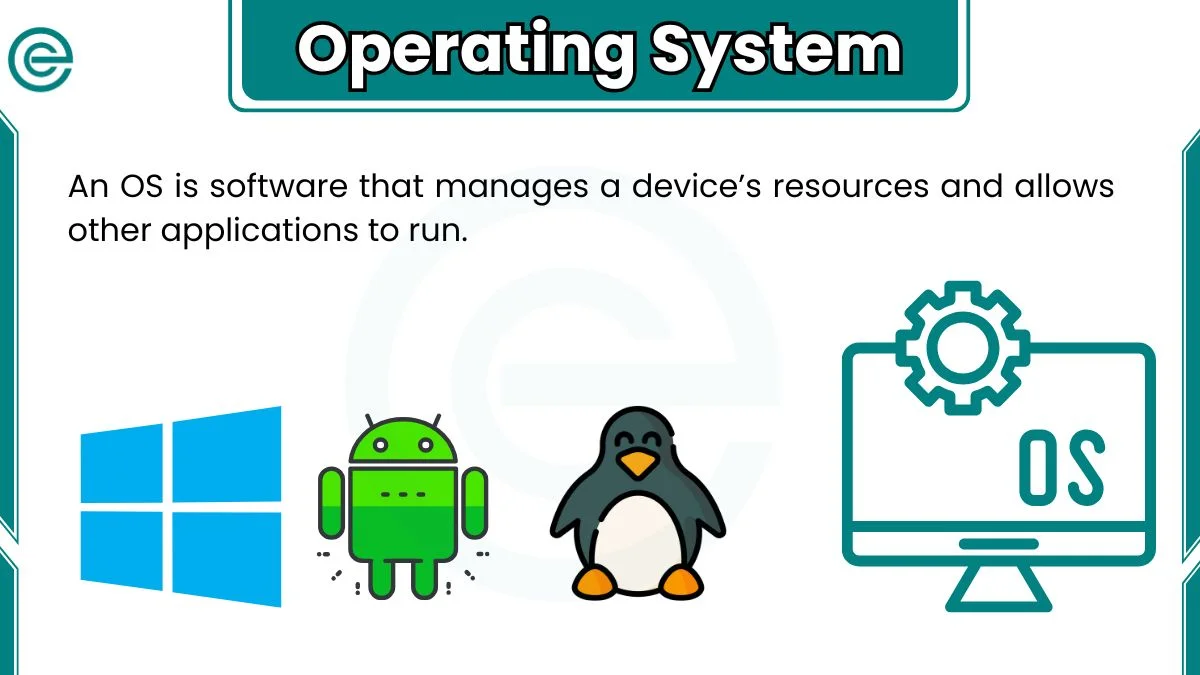
Operating Systems (OS) are important for modern computing. They serve as the backbone that allows computers, smartphones, and other devices to function smoothly. An OS helps the user interact with the device. Define Operating System An Operating System (OS) is a software program that manages the hardware and software resources of a computer. It is … Read more

What is System Software -Definition, Types, Functions

System Software define with image

System software is a type of software. It helps manage and control the computer’s hardware and provides a platform for other software to work. Computers cannot function properly without system software. Define System Software System software is a set of programs that controls and manage a computer’s basic functions. It acts as a bridge between … Read more

What is a Word Processor – Definition, Types, Features

image showing Word Processor define

A word processor is a software application that allows you to create, edit, and format text documents. You can use it for various tasks, such as writing essays, reports, and resumes. Popular examples of word processors include Microsoft Word and Google Docs. These tools make it easy to organize your thoughts and present them. History … Read more

10 Examples of Search Engines – Google, Bing and Yahoo

featued image of Search Engines examples

With over 4.5 billion people online, there are more than 6.5 billion searches every day. Learning to use top search engines well is essential for finding information easily. In this article below, we’ll look at the 10 most common examples of search engines in the world. We’ll cover popular ones like Google and Bing, as … Read more

Differences Between Bus and Star Topology

image showing Differences Between Bus and Star Topology

The main difference between bus and star topology is how devices are connected. All devices are linked to a central hub or switch in star topology. In comparison, bus topology uses a single backbone cable that connects all the devices. These differences affect several factors, such as scalability, fault tolerance, and network performance. Star Topology … Read more